
Pheriche Helicopter Incident: Why Expert Ground Logistics Matter in the Everest Region
Understanding the challenges of high-altitude operations, emergency coordination, and responsible trekking management in Nepal’s Khumbu Valley.
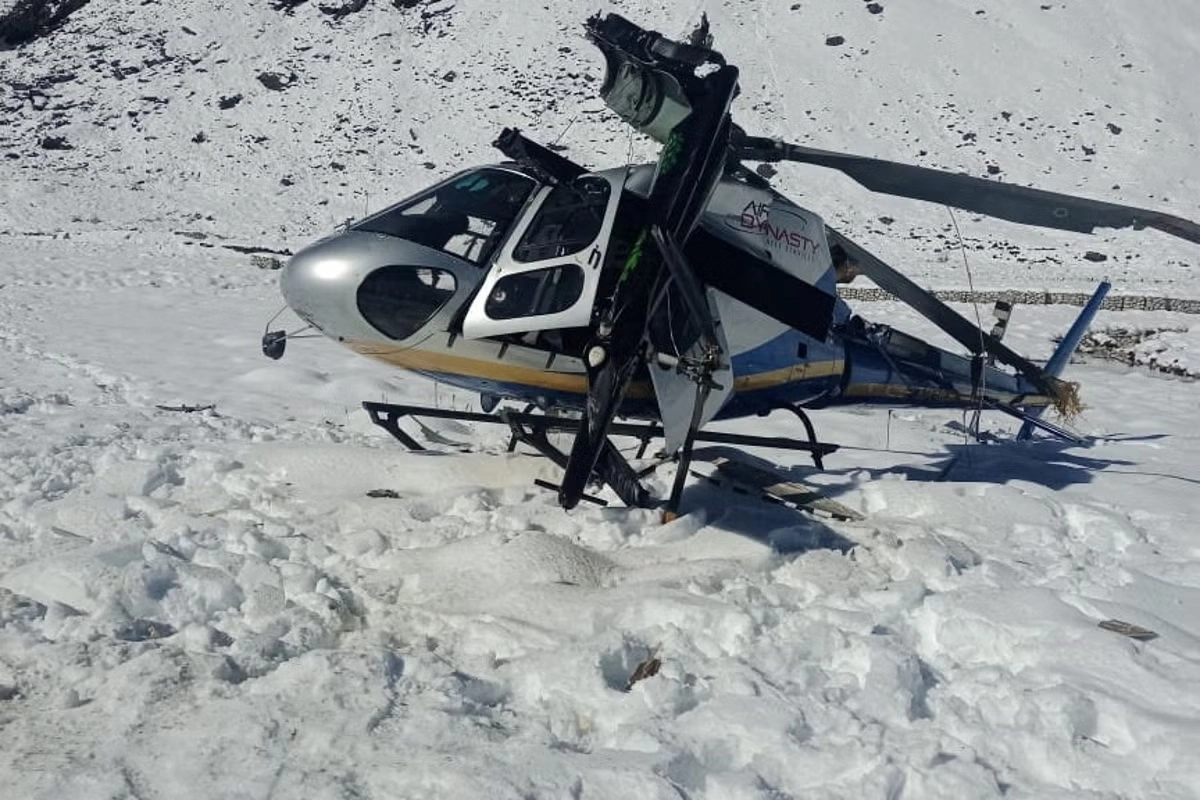
The helicopter collision at Pheriche on November 3, 2026, is a tragic reminder of the challenges involved in operating in the Everest region. The incident, which occurred during landing operations at the high-altitude helipad, resulted in one fatality and injuries to three people, including both pilots. Authorities are investigating the circumstances surrounding the collision.
Our thoughts are with the victim’s family, the injured individuals, and everyone affected by this incident.
For trekkers, mountaineers, and international travel partners, this event also highlights an important reality: successful Himalayan travel depends on far more than reaching a destination. It requires experienced local teams, careful planning, and responsible decisions at every stage of the journey.
At Virgin Nepal Trek & Expedition, we believe that safety must be the foundation of every trekking and mountaineering operation.
Understanding the Pheriche Helicopter Incident
Pheriche is an important settlement in Nepal’s Khumbu Valley, situated along the popular Everest Base Camp trekking route. At approximately 4,200 metres above sea level, it serves as a staging point for trekkers, climbers, helicopter operations, and high-altitude logistics.
On the morning of November 3, two helicopters operated by Fishtail Air and Air Dynasty collided while attempting to land at Pheriche. The incident occurred at approximately 8:11 a.m. Nepal time.
According to initial reports, the aircraft’s rotor blades made contact during landing. One passenger, an Indian national, died, while both pilots and another passenger sustained injuries.
Emergency assistance was provided at the scene, and injured individuals were transported for medical treatment. Nepal’s aviation authorities have initiated an investigation into the accident.
The precise circumstances and contributing factors remain subject to the official investigation. It would be premature to attribute the collision to a particular cause before the findings are released.
The Challenges of High-Altitude Helicopter Operations
Helicopter operations in the Everest region take place in an environment where altitude, terrain, weather, and limited infrastructure can create demanding operational conditions.
Understanding these challenges helps trekkers and travel partners appreciate why experienced local coordination is essential.
1. High altitude and reduced aircraft performance
At high elevations, air density decreases. This can affect helicopter performance, including lift and engine power, depending on the aircraft and operating conditions.
Pilots must account for altitude, temperature, aircraft weight, and other operational factors when planning flights and landings.
These considerations are especially important when transporting passengers, equipment, or supplies to remote mountain locations.
2. Rapidly changing mountain weather
Weather in the Himalayas can change quickly. Wind, cloud cover, snowfall, and visibility can affect flight planning and the feasibility of helicopter operations.
Local weather observations and professional aviation assessments are important, but no forecast can eliminate all uncertainty in a mountain environment.
Flight decisions must remain with qualified aviation professionals, who may delay, modify, or cancel operations when conditions are unsuitable.
3. Busy landing areas and operational coordination
Pheriche is an important transit point for helicopter-supported travel in the Everest region.
When aircraft are operating in the same area, coordination between pilots, aviation operators, and ground personnel is essential.
However, ground teams cannot control every aspect of an aircraft’s operation. Aviation safety depends on the combined responsibilities of pilots, operators, air traffic and flight coordination systems, and the relevant authorities.
The Pheriche incident reinforces the importance of maintaining clear procedures, appropriate communication, and disciplined operational decision-making.
Why Ground Logistics Matter in Himalayan Travel
Helicopter safety is a responsibility of aviation professionals. Ground logistics, meanwhile, play a critical role in helping trekking and mountaineering operations remain organised, responsive, and prepared for changing conditions.
A reliable ground operation begins long before a trekker arrives in the mountains.
1. Experienced local guides and leadership
The Khumbu is not simply a destination on a map. It is a living mountain region with its own geography, weather patterns, communities, and logistical realities.
Experienced local guides bring practical knowledge of the trails, settlements, acclimatisation routes, and available support facilities.
At Virgin Nepal Trek & Expedition, our Sherpa-led approach places local experience and responsible decision-making at the centre of our trekking and mountaineering services.
Our teams help guests understand trail conditions, manage daily trekking plans, and make informed decisions when circumstances change.
2. Responsible emergency planning
Emergency preparedness is an essential part of high-altitude travel.
Before departure, trekkers and operators should understand the available medical facilities, communication options, evacuation procedures, and insurance requirements relevant to their itinerary.
Depending on the route and operating conditions, appropriate preparations may include:
-
Emergency contact information and communication equipment.
-
First-aid supplies and trained personnel.
-
Backup arrangements for accommodation and transportation.
-
Coordination with recognised medical and evacuation providers.
-
Contingency plans for weather delays and itinerary changes.
Helicopter evacuation is not always possible. Weather, aircraft availability, medical requirements, and operational restrictions can affect whether and when an evacuation can take place.
For this reason, responsible trekking plans must account for alternatives and avoid treating helicopter transport as a guaranteed solution.
3. Acclimatisation and health management
High-altitude trekking requires careful attention to acclimatisation.
The Everest Base Camp route takes trekkers through increasingly elevated terrain, where insufficient acclimatisation can contribute to altitude-related illness.
A responsible itinerary should allow appropriate time for acclimatisation, provide clear guidance on symptoms, and establish procedures for responding to medical concerns.
Trekkers should communicate health problems promptly and follow the advice of qualified medical professionals and experienced guides.
The objective is not simply to complete an itinerary. It is to support a safe and responsible journey through the mountains.
4. Reliable transport and logistical coordination
Himalayan trekking involves many interconnected services, including flights, road transfers, accommodation, permits, porters, guides, and equipment.
When one part of the operation changes, the rest of the itinerary may need to be adjusted.
An experienced destination management company helps coordinate these moving parts, communicate changes, and provide practical alternatives when circumstances require them.
For international travel partners, this coordination can make the difference between a well-managed mountain journey and an itinerary that becomes difficult to manage when unexpected challenges arise.
The Virgin Nepal Trek & Expedition Approach
Virgin Nepal Trek & Expedition is a Nepal-based trekking and mountaineering operator providing ground support for travellers exploring the Himalayas.
Our approach is built around three principles: safety, quality, and respect for the mountains.
Local knowledge and Sherpa-led experience
Our Sherpa team brings local knowledge and practical experience to trekking and mountaineering operations in Nepal.
We believe that understanding the mountain environment, respecting local communities, and making responsible decisions are fundamental to providing a quality travel experience.
Practical planning and responsible operations
We coordinate essential ground arrangements, including trekking permits, guides, accommodation, transportation, and itinerary planning.
For routes involving high-altitude travel, we emphasise preparation, acclimatisation, communication, and contingency planning.
Where helicopter transport or evacuation is required, arrangements must be made through appropriately authorised aviation providers and remain subject to their operational decisions.
Support for international travel partners
We work with international travellers and travel professionals seeking reliable ground arrangements in Nepal.
Our services can include itinerary planning, trekking and climbing logistics, local guides, accommodation coordination, transportation, and operational support.
For B2B partners, clear communication and dependable local coordination are essential to delivering a smooth client experience.
We aim to provide the practical ground support that allows our partners and guests to focus on their Himalayan journey.
What Trekkers Should Consider Before Travelling to Everest
The Pheriche incident is a reminder that Himalayan travel involves real environmental and operational challenges.
Before booking an Everest Base Camp trek or another high-altitude adventure, travellers should consider the following:
-
Choose an experienced, properly licensed trekking operator.
-
Review the itinerary and confirm that it allows appropriate acclimatisation.
-
Understand what medical and emergency support is included.
-
Check that your travel insurance covers the activities and maximum altitude of your trip.
-
Ask how weather delays, flight cancellations, and evacuation arrangements are managed.
-
Follow the advice of your guides and qualified medical professionals.
A professional operator should be able to explain its arrangements clearly and honestly, including the limitations of services that depend on weather, aviation providers, or external authorities.
Experience the Himalayas with Preparation and Respect
The Everest region offers extraordinary opportunities to experience the mountains, Sherpa culture, and the remarkable landscapes of the Khumbu.
But a successful Himalayan adventure is not defined by the summit, the photograph, or the number of days spent on the trail.
It is defined by the quality of preparation, the experience of the team, the decisions made along the way, and the care taken for everyone involved.
At Virgin Nepal Trek & Expedition, we believe that responsible mountain travel begins with thoughtful planning and a commitment to safety at every stage.
Whether you are planning an Everest Base Camp trek, a high-altitude expedition, or a customised Himalayan journey, our team can help you understand the logistics and prepare for the realities of travelling in Nepal.
Walk with the Real Sherpa. Experience the Real Himalaya.
Visit Virgin Nepal Trek & Expedition to explore our Himalayan trekking and mountaineering services or discuss a customised itinerary with our team.
Editorial note: This article discusses the Pheriche helicopter collision based on initial reports available on November 3, 2026. The cause of the accident has not been established here. The article is intended for travel information and does not replace official aviation safety guidance or medical advice.
 Frequently Asked Questions (FAQ)


.webp)