
The 2026 Himalayan Catastrophe: Inside the Bhote Koshi Flash Flood and Nepal’s Unshakable Tourism Resilience
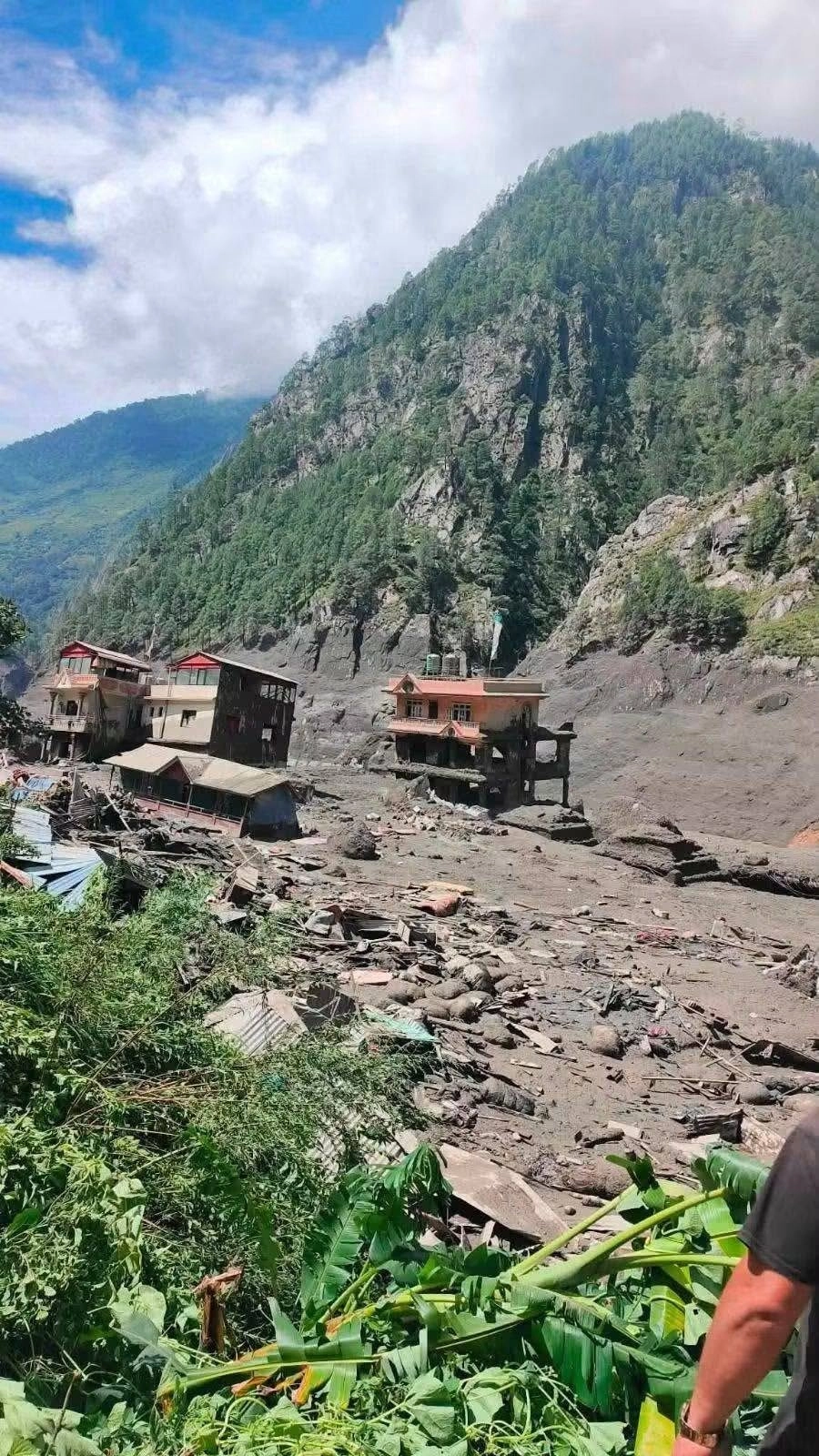
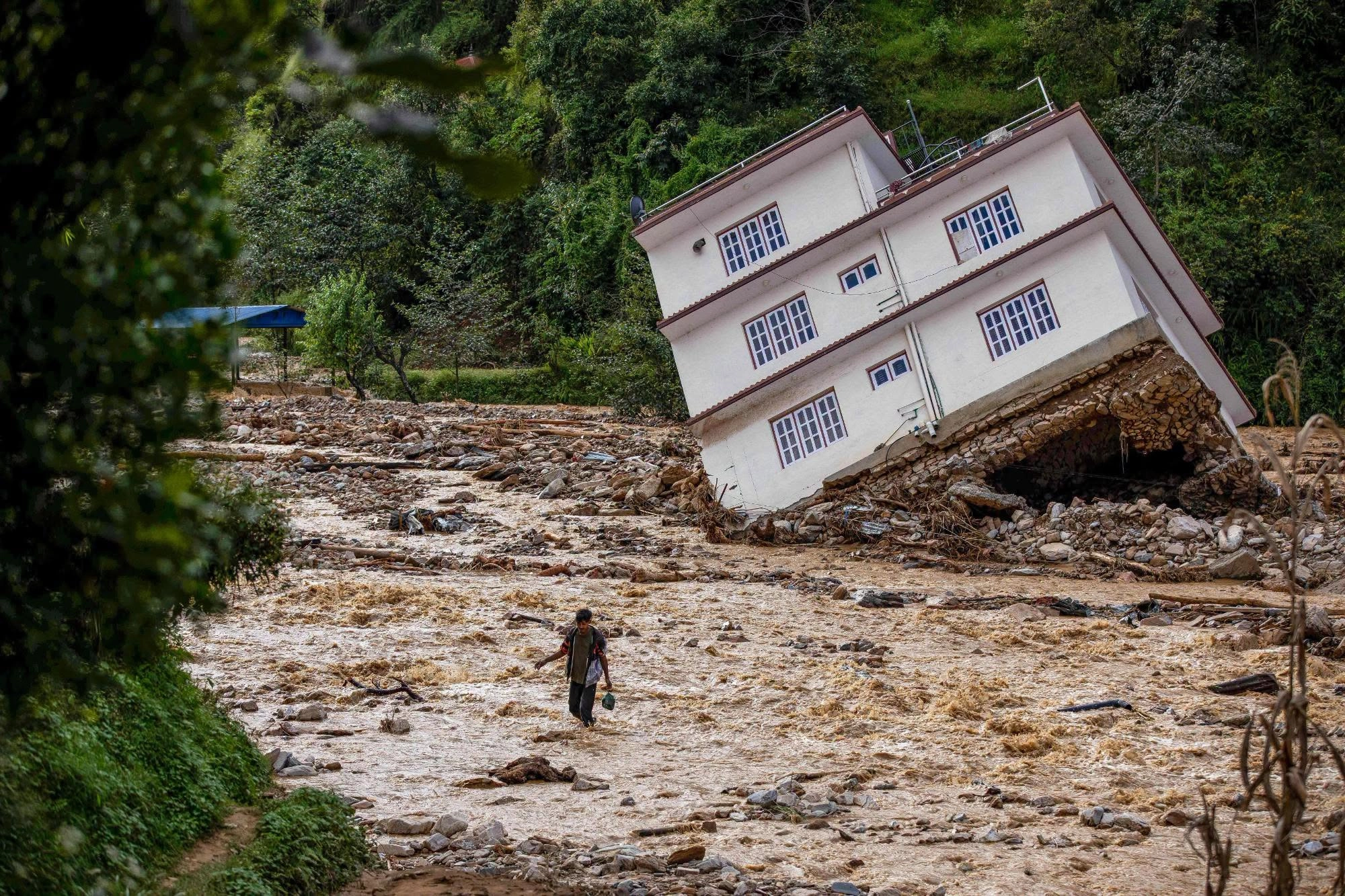
The Bhote Koshi River Valley has been struck by an unprecedented climate disaster, yet Nepal’s core tourism destinations remain entirely safe and open to global travelers. On Wednesday morning, August 26, 2026, an explosive ice-and-rock avalanche on the backside of the Langtang Lirung massif triggered a catastrophic chain reaction. Plunging from an altitude of over 5,200 meters, the massive glacial collapse violently impacted a high-elevation temporary river system, unleashing a sediment-heavy, high-velocity deluge. Traveling at speeds approaching 200 kilometers per hour, this "Himalayan tsunami" thundered down the narrow river corridor, rewriting the geographic and economic landscape of the border region.
The Anatomy of a Cascading Climate Disaster
As a vital transboundary artery connecting the Tibetan plateau to Nepal, the rugged Bhote Koshi corridor serves as the primary route for Sino-Nepal overland trade and houses the crucial Rasuwagadhi border custom post. The sudden wall of water and debris targeted the valley's infrastructure with severe precision, resulting in alarming impacts:
-
Energy Generation Crippled: The disaster affected roughly 900 MW of power capacity, directly damaging or compromising 13 critical facilities, including operational hydropower plants like Rasuwagadhi (111 MW) and Chilime (22 MW) alongside a 25 MW solar plant.
-
Financial Sectors Halted: Essential civic infrastructure along the riverbanks, such as 7 local banking branches, warehouses, and trade offices, was completely wiped out.
-
Severe Casualties: The event led to thousands of casualties, with hundreds of bodies recovered and numerous individuals—including international pilgrims, trekkers, and border workers—still missing.
-
Lingering Secondary Risks: Geological experts continue to monitor a newly formed upstream barrier lake holding millions of cubic meters of water due to strict secondary breach warnings.
A Localized Crisis in a Land of Giants
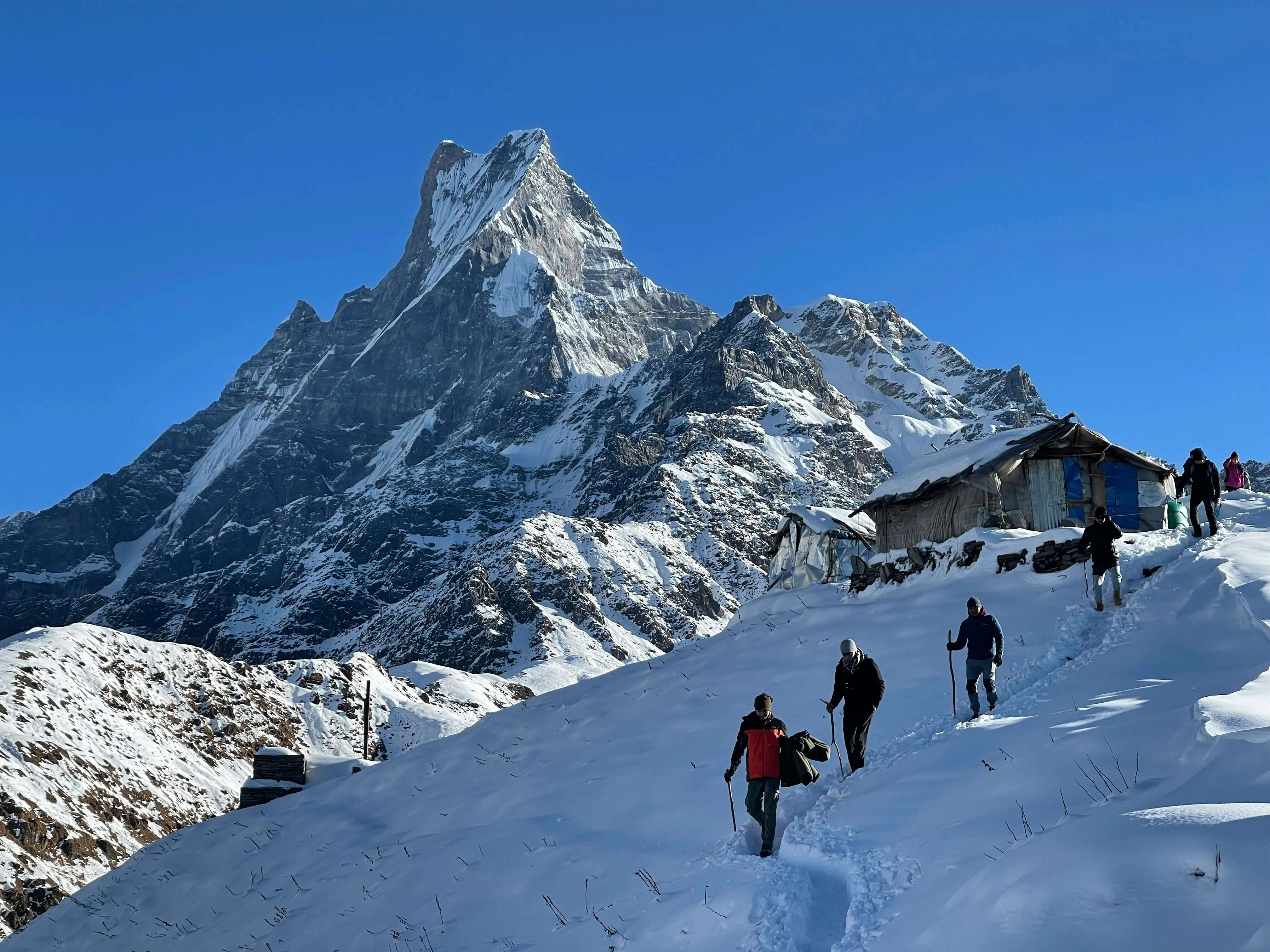
Despite the heavy economic shockwaves felt nationwide, the disaster's destruction was strictly confined to the immediate river beach and low-lying topography of the Bhote Koshi River Valley corridor. Beyond this specific border chasm, the vast majority of Nepal remains entirely unaffected, stable, and completely safe for travelers. As home to eight of the world's fourteen 8,000-meter peaks, Nepal's premier trekking circuits, cultural sanctuaries, and wildlife reserves continue to welcome international visitors without any disruption.
How Global Travelers Can Power Nepal’s Recovery
When a country faces an infrastructure crisis of this scale, active tourism serves as a powerful form of international support. Choosing to travel to Nepal provides an immediate lifeline to local micro-economies, supporting homestays, independent mountain guides, porters, and artisans directly. Experiencing the majesty of the Himalayas directly aids the economic rehabilitation of a resilient nation that remains open, safe, and ready to inspire.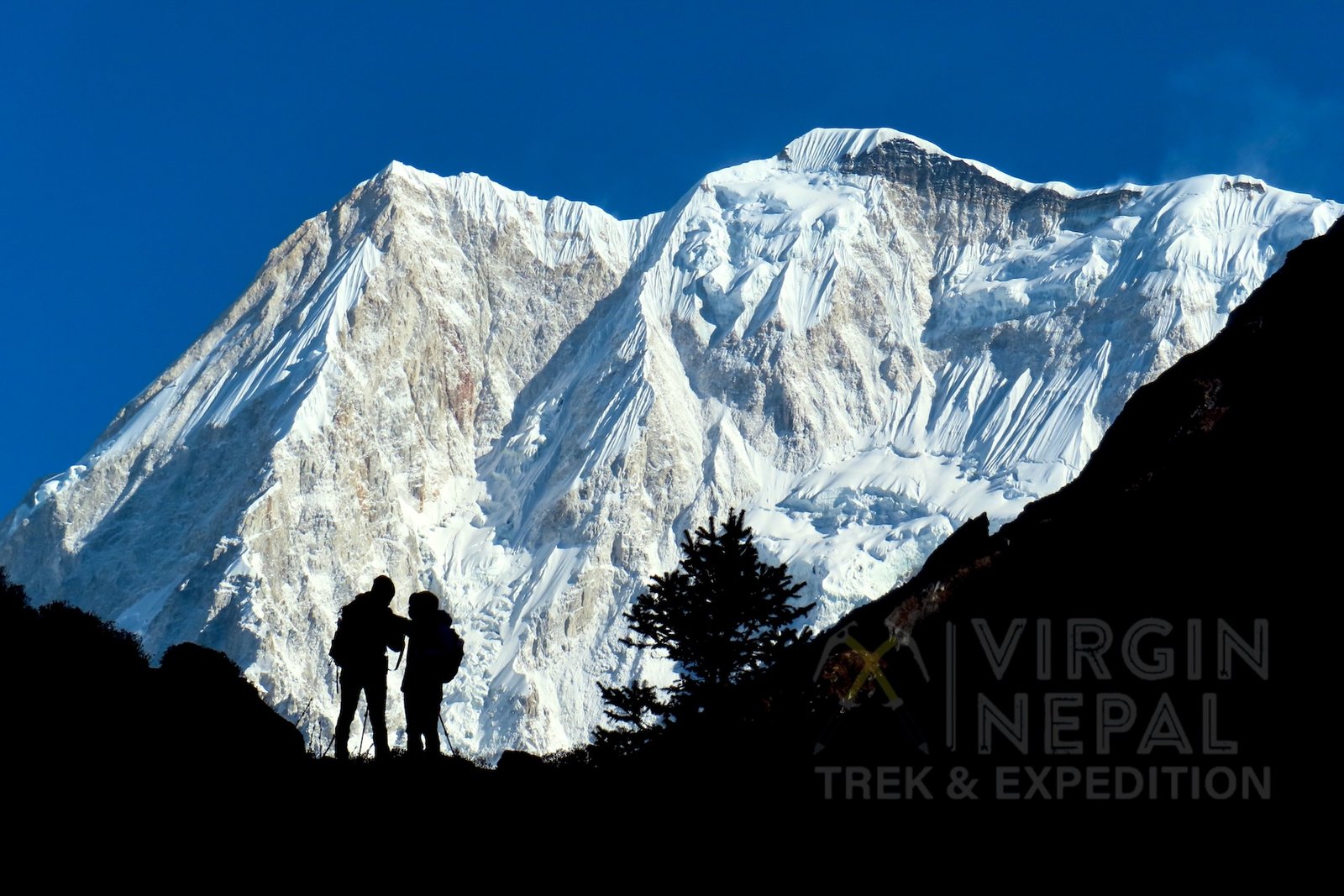
#BhoteKoshiFlood #NepalFlood2026 #LangtangLirung #HimalayanTsunami #ClimateEmergency #DiscoverNepal #SafeTravelNepal #VisitNepal2026 #HimalayanResilience #SustainableTourism #TravelForGood #SupportNepal #MountainResilience #ClimateActionNow #TravelWithPurpose #PrayForNepal #GlacialFlashFlood #NepalTourism #AdventureNepal #Himalayas